
BBQ Glaze Recipe: The Complete Guide to Smoked Prime Rib
BBQ Glaze Recipe: The Complete Guide to Smoked Prime Rib
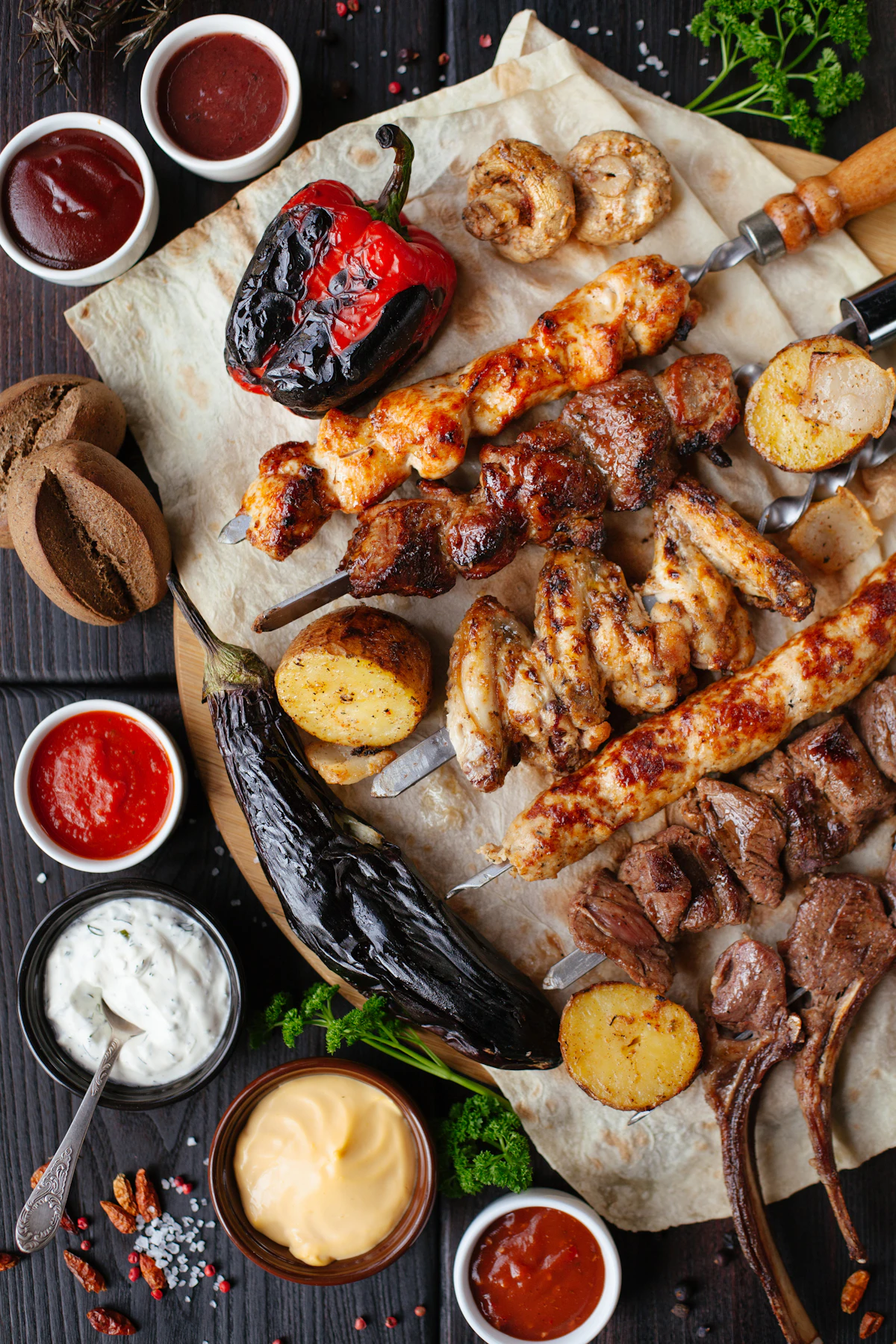
Prime rib usually gets a butter-and-herb treatment, but a bold BBQ glaze recipe applied at the end of the smoke gives this special-occasion roast a completely different, unforgettable finish.
The thing about BBQ glaze recipe that keeps backyard cooks coming back is the way it caramelizes instead of just coating — you get an actual sticky, glossy crust rather than a wet sauce sitting on top of the meat.
Pepper jelly started life as a Southern condiment for crackers and cream cheese, but backyard cooks figured out years ago that the same sweet-hot balance that works on a cracker works even better brushed onto hot meat, where heat brings out the pepper's brightness instead of muting it.
Why This Bbq Glaze Recipe Combination Works
Pepper jelly glazes work because they're built on real fruit and pepper, not just sugar syrup — that means the glaze caramelizes into a proper crust instead of turning gummy or burning too fast over direct heat.
Try it with Garlic Pepper Spread or Red Hot Spread or THE Ultimate BBQ Boost 6 Pack Bundle for the flavor profile that fits this cook best — both frame beautifully as a BBQ glaze once warmed and brushed on.
Step-by-Step: Smoked prime rib roast with Bbq Glaze Recipe
- Season a bone-in prime rib roast generously and let it sit uncovered in the fridge overnight.
- Bring to room temperature for an hour before smoking.
- Smoke at 225°F until internal temp reaches about 115°F for medium-rare.
- Pull and tent with foil while you get a hot sear station ready.
- Brush on your BBQ glaze recipe and sear hard over high heat for 60-90 seconds per side to set it.
- Rest 20 minutes before carving — the internal temp will climb to around 125-130°F.
Tips for the Best Results
- A BBQ glaze recipe for prime rib should go on only at the very end — this roast is about the meat, with the glaze as an accent, not the main event.
- Reverse-searing after smoking gives you full control over exactly how dark the glaze gets.
- Save the drippings — mixed with a little glaze, they make an incredible jus.
Common Mistakes to Avoid
- Walking away once the glaze is on — sugar-based glazes can go from perfectly caramelized to burnt in a couple of minutes.
- Skipping the rest period after glazing, which gives the sticky exterior time to set instead of sliding off when sliced.
- Applying the glaze too early in the cook, which lets the sugars burn long before the meat is actually done.
- Using a glaze straight out of the jar without thinning it slightly, which makes it clump instead of coating evenly.
What to Serve Alongside It
Round out the plate with something bright to cut the glaze's sweetness — a simple vinegar-forward slaw, quick-pickled onions, or a squeeze of fresh lemon over the finished smoked prime rib roast all work well. A cold, crisp drink helps too; the sugar in a good glaze pairs nicely against something with a little acidity or carbonation to reset the palate between bites. If you're serving a crowd, keep a bowl of extra warmed glaze on the side so people can add more without you having to run back to the grill mid-meal.
Choosing the Right Jar
When it comes to picking the right jar, think about how the glaze needs to behave once it's on the heat: a sweeter profile builds a deeper caramelized crust, while a hotter one holds its bite even after reducing on the grill. Either way, warming the jelly slightly before brushing it on makes it easier to apply in thin, even layers instead of one thick clump that takes longer to set.
Perfect For
This one's perfect for a weekend when you want something a little different from the usual grilling routine — smoked prime rib roast with BBQ glaze recipe gets talked about long after the plates are cleared.
It also holds up well as leftovers, which is more than you can say for most grilled dishes — the glaze actually helps keep the meat moist for a day or two in the fridge.
Leftover glazed smoked prime rib roast keeps well in an airtight container in the fridge for 3-4 days, and reheating gently in a low oven helps preserve the glaze's texture better than a microwave.
Make-Ahead Tips
If you're planning ahead, most of this can be prepped well before guests arrive — season the smoked prime rib roast a day early and let it sit covered in the fridge so the rub has time to work into the meat, then focus your actual cook-day energy on nailing the glaze timing instead of scrambling through every step at once.
The Story Behind a Good Bbq Glaze Recipe
The history of barbecue glazing goes back further than most bottled sauces on the market today. Long before commercial barbecue sauce existed, cooks were finishing meat with whatever sweet, sticky preserve was on hand — fruit preserves, molasses, even honey — because the sugar caramelized beautifully over live fire. Pepper jelly fits neatly into that same tradition, adding fruit and pepper in one step instead of stacking separate ingredients.
Frequently Asked Questions
Will a BBQ glaze recipe overpower a prime rib roast?
Not if applied sparingly at the very end — think of it as a finishing lacquer rather than a full coating, which keeps the beef flavor front and center.
What internal temperature should I pull prime rib at before glazing?
Around 115°F for medium-rare, since the roast will continue climbing during the glaze sear and rest.
Can I use this same BBQ glaze recipe on a smaller roast?
Yes — the timing and glazing method scale down fine for a 3-4 rib roast; just watch your thermometer closely since smaller roasts cook faster.
Ready to upgrade your next cookout? Grab a jar (or a whole lineup) of Smoky Mountain Spread pepper jelly glazes and taste the difference for yourself at smokymountainspread.com. Whether you stick to one flavor or grab a bundle to keep on hand for whatever hits the grill next, having a good glaze ready to go makes it that much easier to turn an ordinary backyard cook into the one people ask you to repeat.